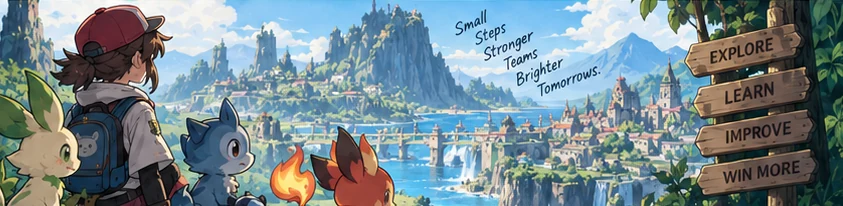
Jinto opens through championship progression and adds a different monster pool. Check the region selector’s requirement, then use current rarities, prices and triggers rather than copying a launch-day board unchanged.

See it in the game
Launch-era creator gameplay. Use the current patch checks below when following an older build.
Watch this section in real gameplayOpen the original creator’s video player only when you want it.
Original video: Watch on YouTube ↗ · Footage remains with its creator.
Current Jinto shop changes to check
The following 1.4.0 changes affect which offers you can buy and when they appear. Use the current rarity and cost when comparing an older launch run:
| Bat or item | Current change |
|---|---|
| Sarudo | Uncommon, cost 20, damage 75/150/225. |
| Aviarab | Rare, cost 30, damage 20/40/60. |
| Furnadon | Burn per trinket 2/4/6; duplicate trinkets no longer count. |
| Emberpaw | Burns needed to evolve: 20, down from 25. |
| Gildshell (shared pool) | Cost 25, up from 20. |
The earlier 1.3.0 patch also returned Petrirex’s cooldown to 5.5 from 7. Read any 1.2.0 figures in the patch archive as that version’s values. Trinket-engine checks explain the Furnadon/Scavenger implications.
Unlock: follow championship progression
Region access follows championship progression. Complete championship runs and check the requirement shown in the region selector before planning your next unlock. Once Jinto is available, inspect its different monster pool before spending your first shop gold.
What is different once you enter?
Jinto introduces 50+ new Batomon and lands alongside six added trainers and 30+ added trinkets. That makes the identity of an archetype more useful than blindly importing exact demo teams. For a newly offered creature, read its inspect sheet and identify its trigger, typing and evolution before you buy it.
A practical first Jinto shopping checklist
- Pick the trainer whose printed ability matches something you are prepared to build around; Burglar changes trinket gift choice, while Twins offers a merge-related payoff in the recorded run.
- Inspect the first shop before rerolling; an early productive monster may matter more than one rare chase piece.
- Look for a repeatable engine: trinket generation, item-driven level gains, cooldown acceleration or type/status scaling.
- Check whether the new monster’s effect happens while it is fielded, at battle start, on victory or on knockout. Do not infer this from its art.
- After losing, use Run History and battle recap to decide whether the problem was insufficient survivability or a payoff that never triggered.